
Poisoning &
Overdose
Every minute counts. South Africa's National Poison Centre is available 24 hours a day — call them first for expert advice on what to do for the specific substance involved.
Call These Numbers Immediately
Children's Poison Centre
021 658 5308Red Cross Children's Hospital, Cape Town
Business hours — paediatric specialist
What to have ready when you call: the exact name of the substance (keep the container), the amount ingested or exposed to, the time of exposure, the patient's age and weight, and any symptoms already present.
What Type of Poisoning?
Select the type of exposure for specific recognition signs, step-by-step actions, and critical do's & don'ts.
💊 Medication & Drug Overdose
Includes paracetamol (Panado), opioids, antidepressants, benzodiazepines, sleeping tablets, and recreational drugs. The specific substance determines urgency and treatment.
Recognise It
- ●Confusion, drowsiness, or loss of consciousness
- ●Slowed, shallow, or stopped breathing (opioids)
- ●Very small (pinpoint) or very large pupils
- ●Empty or disturbed medication packaging found nearby
- ●Seizures, uncontrollable shaking
- ●Blue lips or fingertips (cyanosis)
- ●Nausea, vomiting, abdominal pain (paracetamol/aspirin)
Step-by-Step: What To Do
Common Examples & Specific Actions
Paracetamol (Panado) Overdose
No immediate symptoms — appears harmless for 24–48 hours before liver failure. Any adult dose above 10g (20 standard tablets) or 150mg/kg in children is potentially lethal. Always call the Poison Centre immediately regardless of how the person feels.
Opioid Overdose (Morphine, Codeine, Tramadol, Heroin)
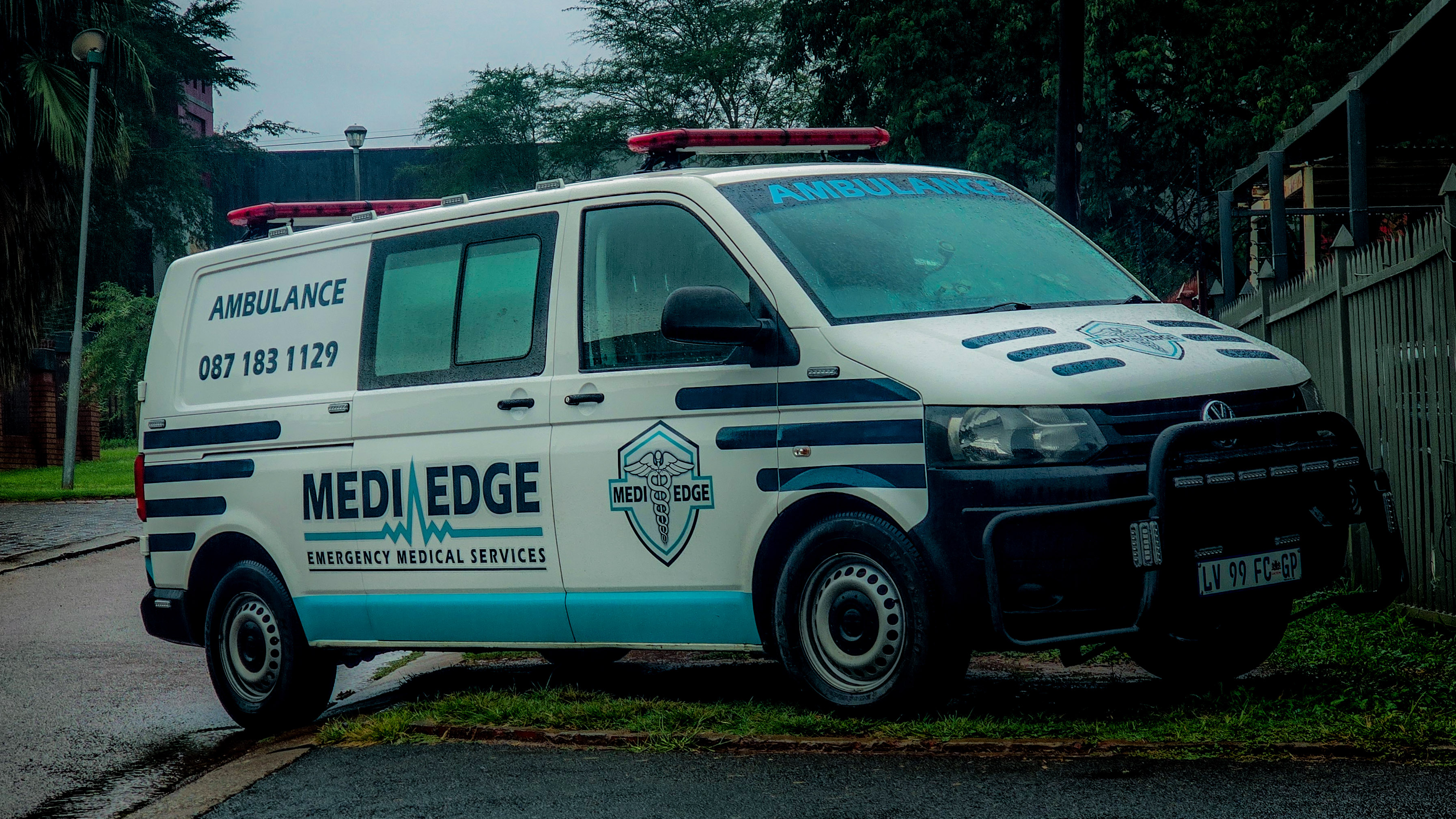
Hallmark: very slow breathing (fewer than 1 breath every 5 seconds), pinpoint pupils, unconscious. This is immediately life-threatening. Call 087 183 1129, give rescue breathing/CPR if needed. Do NOT leave alone — death is from respiratory arrest.
Antidepressants / Tricyclics (Amitriptyline, Imipramine)
Dangerous even in small amounts. Can cause rapid deterioration: seizures, cardiac arrhythmias. Always treat as high risk — call Poison Centre and EMS even if currently alert.
Benzodiazepines / Sleeping Tablets (Valium, Urbanol, Stilnox)
Usually causes deep sedation rather than immediate death when taken alone. Becomes highly dangerous in combination with alcohol, opioids, or other sedatives. Recovery position is critical — airway protection from vomit.
What NOT To Do
Do NOT induce vomiting
Unless specifically instructed by the Poison Centre. Vomiting can cause aspiration into the lungs or worsen burns from corrosive substances.
Do NOT give milk or food
Unless instructed by the Poison Centre — milk does not "neutralise" most poisons and delays absorption assessment.
Do NOT wait for symptoms to appear
Many dangerous overdoses (paracetamol, iron) show no early symptoms. Call the Poison Centre immediately regardless of how the person appears.
Do NOT leave them alone
Condition can deteriorate rapidly. Stay with the patient and monitor breathing until help arrives.
Do NOT give other medications to "counter" the overdose
Only medical professionals can administer antidotes. Giving other medications can cause dangerous interactions.
SA Poison Centre — 24/7
0861 555 777Tygerberg Hospital, Cape Town
Call Poison Centre Call EMS: 087 183 1129Call EMS Immediately If:
- ●Unconscious or unresponsive
- ●Breathing is slow, shallow, or stopped
- ●Seizures occurring
- ●Lips or skin turning blue
- ●Deliberate self-harm
- ●Child with any suspected ingestion
Universal Do's & Don'ts
These rules apply regardless of the type of poison involved.
Always DO These Things
Call 0861 555 777 (Poison Centre) first
Available 24/7 with substance-specific advice — they guide you on exactly what to do for what was ingested.
Keep the container, packaging, or sample
The exact substance determines treatment. Even a photo of the label is better than guessing.
Note the time of exposure and amount
Doctors use this to calculate toxicity and decide whether treatment is needed.
Use the recovery position if drowsy
On their left side — prevents choking on vomit, the most common preventable cause of death in poisoning.
Stay with the person
Condition can change rapidly. Monitor breathing every few minutes until help arrives.
Protect yourself from exposure
Gloves for chemical contact, fresh air for inhalation, do not enter toxic environments.
Never Do These Things
NEVER induce vomiting without Poison Centre instruction
For corrosives: re-burns the oesophagus. For hydrocarbons: aspiration pneumonia. For some toxins: vomiting accelerates absorption.
NEVER give milk to "dilute" or "neutralise"
This is a common misconception. Milk does not neutralise most poisons and can delay or complicate treatment.
NEVER assume "a little bit can't hurt"
A single adult ibuprofen tablet can cause kidney failure in an infant. Dosage is relative to body weight.
NEVER wait for symptoms before calling
Many serious poisons (paracetamol, boomslang venom, iron tablets) have delayed onset with no early warning.
NEVER leave the person alone
Sudden deterioration, seizure, or respiratory arrest can occur with minimal warning.
NEVER enter a toxic environment unprotected
Gas leaks, CO-filled rooms, and chemical spills kill rescuers every year. More people die trying to help than the original victims.
What to Tell the Poison Centre
Having this information ready saves critical time and allows them to give you accurate, substance-specific advice immediately.
Exact Substance Name
Read the product name, active ingredient, and concentration from the label. For unknown substances, describe appearance, smell, and container type.
Amount Ingested or Exposed
Count remaining tablets, estimate volume of liquid, or estimate skin area exposed. Best guess is better than no information.
Time of Exposure
The exact time (or best estimate) determines which treatments are still effective and how urgently the patient needs to be seen.
Patient Age & Weight
Toxicity is calculated per kilogram of body weight. A dose that is minor in an adult may be lethal in a child of the same weight.
Current Symptoms
Describe exactly what you observe: level of consciousness, breathing, skin colour, vomiting, pain, unusual behaviour.
Other Medications
List any other medications or substances the patient regularly takes. Drug interactions can dramatically change the severity of an overdose.
National Poison Information Centre (Tygerberg)
0861 555 777Available 24 hours a day, 7 days a week — including public holidays
Poisoning Prevention
The majority of childhood poisonings and many adult incidents are preventable with simple precautions.
Lock Away Medications & Chemicals
Store all medications, cleaning products, and chemicals in locked or child-proof cupboards above child reach. The kitchen and bathroom are the highest risk areas.
Never Repackage Products
Do not store cleaning chemicals in food or drink containers — a fatal number of adults and children die each year from mistakenly drinking chemicals stored in cool drink bottles.
Know Your Garden Plants
Identify toxic plants in your garden. Oleander, syringa, datura, and arum lily are common in South African gardens. Teach children never to eat any plant, berry, or seed without adult permission.
CO Safety Indoors
Never use gas heaters, paraffin stoves, coal fires, or generators in closed rooms. Install a CO detector. Ensure all flued appliances are regularly serviced.
Medication Safety
Dispose of old medications safely. Do not share prescriptions. Keep medications in original child-proof containers. Never refer to medicine as "sweets" to encourage children to take it.
Save the Poison Centre Number
Save 0861 555 777 in every household member's phone now — before an emergency. Also save 087 183 1129 for Medi Edge EMS.
Suspected Poisoning? Call Now.
Do not search online. Do not guess. Call the Poison Centre — they have substance-specific databases and will tell you exactly what to do within seconds.
 WhatsApp EMS
Medical Disclaimer: This page is provided for public educational purposes only and does not constitute medical advice. Information is general in nature — specific treatment for any poisoning depends on the exact substance, amount, and individual patient factors. Always follow the guidance of the National Poison Information Centre (0861 555 777) and qualified emergency medical personnel. View First Aid Training →